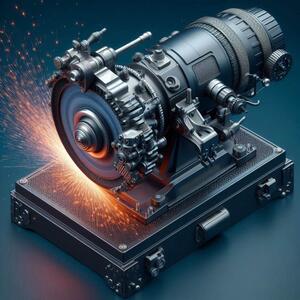
In metalworking, achieving micron-level tolerances and mirror-like surface finishes requires a high-quality grinding machine. Whether you need a cylindrical grinder for shafts or a surface grinder for flat plates, buying a used grinding machine is a cost-effective way to add high-precision capabilities to your machine shop. Sourcing pre-owned grinding machinery requires careful evaluation of mechanical and hydraulic components to ensure long-term accuracy.
This guide serves as a technical buying checklist to help you evaluate used grinding machines before purchase.
1. Types of Grinding Machines and Their Applications
- Surface Grinding Machines (Flachschleifmaschinen): Ideal for flat surfaces, offering high geometric flatness. Look for machines with robust magnetic chucks and automatic wheel dressers.
- Cylindrical Grinding Machines (Rundschleifmaschinen): Designed for grinding the outer or inner diameters of cylindrical workpieces like spindles, shafts, and bearings.
- Tool and Cutter Grinders (Werkzeugschleifmaschinen): Highly specialized machines used for sharpening or manufacturing drills, endmills, and custom cutting tools.
2. What to Inspect When Buying a Used Grinder
- Spindle Bearings: The spindle is the heart of the grinder. Listen for bearing noise at high speeds and check for thermal expansion and spindle runout.
- Guide-ways and Lubrication: Check for wear on the linear ways. Proper lubrication is critical to prevent stick-slip effects which ruin surface finishes.
- Coolant and Filtration Systems: Grinding generates significant heat and fine metal dust. A high-quality paper band filter or magnetic separator is essential to keep the coolant clean.
Asset-Trade coordinates on-site inspections and under-power tests for used grinding machines across Germany and Europe, ensuring your investment is secure. Browse our grinding machine inventory or contact our sales team today.