Frequently Asked Questions about used Conventional
What does conventional control mean and how is it different from CNC?
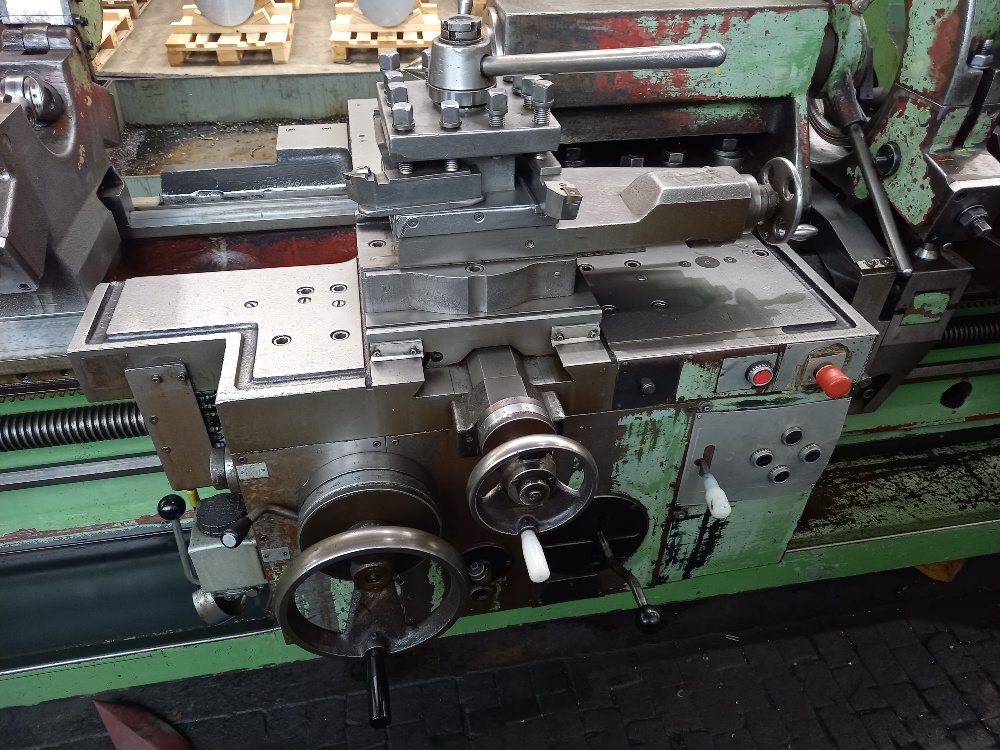
With conventional control, spindle speed, feed and position are set directly via handwheels, levers and dials – no CNC program and no control software involved. These machines are mechanically simple, robust and quick to change over, which makes them a good fit for one-offs, small batches and repair work. Asset-Trade offers used conventional lathes, milling and drilling machines that go through a multi-stage inspection with functional tests before they are offered.
What are conventional machines best used for?
Conventional machines play to their strengths on one-offs, small batches, rework and maintenance jobs where setting up and programming a CNC would take longer than the cut itself. They also work well as a low-cost second machine next to a CNC cell, or in shops with a constantly changing part mix. If you only run large series with tight tolerances, a CNC machine is usually the better choice.
What should I check when buying a used conventional milling machine?
Check the slideways and spindle bearings, backlash on handwheels and lead screws, the condition of dials and stops, and the spindle runout. It also matters whether chucks, a dividing head or coolant equipment come with the machine, since missing accessories drive follow-up costs. Asset-Trade offers a free machine appraisal and the option to inspect the machine on site and see it running before you decide.
How much does a used conventional lathe cost?
Price depends on size, condition, equipment and accessories – a small workshop lathe sits in a completely different range than a heavy conventional machine with a large spindle bore. There are no fixed list prices on the used market, so after the free appraisal you receive a concrete quote for the specific machine you are interested in. Compared with equivalent new machines, buyers typically save 40–70 %.
How is the condition of a conventional machine checked before purchase?
Asset-Trade inspects every machine in several stages, including functional tests of the spindle, feeds, thread cutting and coolant system. If you wish, we arrange an on-site inspection with a trial run so you can judge smoothness, slideway condition and backlash at the handwheels and lead screw yourself. A dedicated project manager stays with you throughout and guides you through the seven-step purchase process up to handover.
How are conventional machines delivered, exported and handed over?
Asset-Trade handles worldwide shipping and export, including customs paperwork, and coordinates loading and delivery dates with you. On request you receive instruction in operating, setting up and maintaining the machine, and further training or commissioning support can be arranged through your dedicated project manager.